
Memory, History, and the Present
Surprised by JoyThis thread traces Lewis's changing understanding of memory, historical judgment, and the danger of treating one era's assumptions as universal.
increasing Bearing strength in each event
 decreasing
Bearing strength in each eventdecreasingMemory as Reconstruction
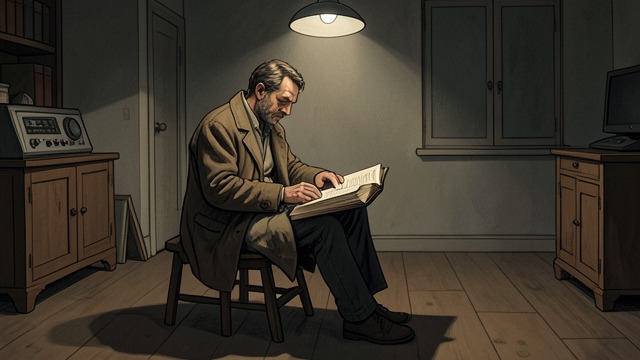
Memory as Reconstruction
Uncertain Chronology
Lewis admitted that he could not always place childhood experiences in exact order. Emotional significance, rather than a complete record of events, shaped what remained vivid.
The Historian's Caution
He distinguished reliable impressions from claims he could not date securely. The memoir presents remembered experience while acknowledging the limits of retrospective certainty.
Childhood and Retrospective Meaning

Childhood and Retrospective Meaning
Small Events, Large Consequences
A toy garden, a book illustration, or a landscape could acquire significance that was not obvious at the time. Lewis interpreted these moments through later understanding without claiming that the child had already grasped their meaning.
A Life Re-read
Memory allowed the adult to see patterns in experiences that once seemed isolated. The past became intelligible through their later relation to faith and desire.
The Past Is Not Refuted by Age
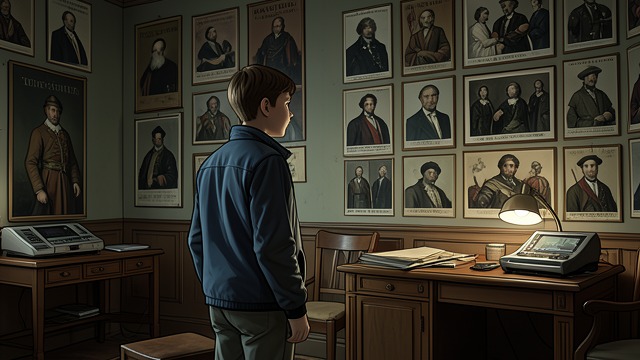
The Past Is Not Refuted by Age
Historical Fashion
Lewis had assumed that outdated ideas were discredited by their disappearance. Barfield made him ask whether they had been refuted or merely abandoned as intellectual fashions changed.
The Present Under Review
The same test turned upon modern assumptions. Lewis began to see that every age, including his own, could carry illusions too familiar to notice.
A Different Historical Claim
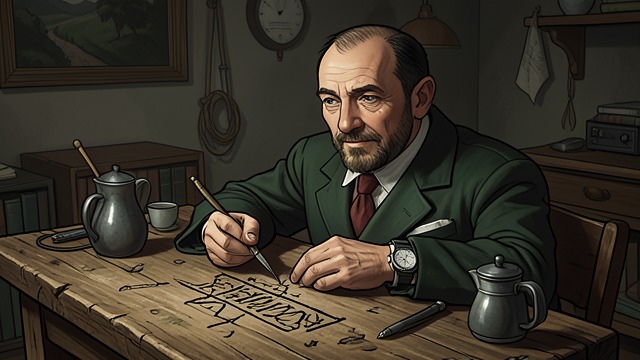
A Different Historical Claim
Myth and Record
Lewis found that the Gospels had neither the texture of invented myth nor the character of ordinary history alone. Their subject seemed to bring mythic patterns into an apparently historical account.
A Claim Beyond Categories
The comparison led him toward the idea that myth had become fact in Christ. Historical judgment and religious interpretation converged rather than remaining separate questions.
The Signpost Revisited

The Signpost Revisited
The Memoir's Governing Image
Lewis ended by comparing Joy to a signpost whose importance changes once the traveler has found the road. The experience remains meaningful without needing to become the final object of attention.
Gratitude Without Fixation
He did not deny that Joy continued after conversion. Instead, he located its value in what it indicated, allowing the story of his longing to resolve without making longing itself the destination.
While Lewis wrote about early childhood
As Lewis reconsidered his earliest memories
During Lewis's debates with Barfield
As Lewis weighed the Gospels against myth and history
At the conclusion of Lewis's conversion narrative
